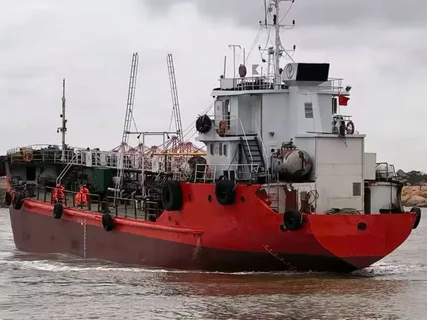
A vessel’s engine plays a central role in its performance, reliability, and safe operation. Whether a boat is used for commercial work or private activities, engine problems can disrupt schedules and create unexpected expenses. Regular inspections and timely technical attention help owners understand the condition of their equipment and address concerns before they become more serious.
Marine environments can place considerable demands on engines. Saltwater exposure, heat, extended operating hours, and natural component wear can all influence performance. Following suitable maintenance practices and responding promptly to warning signs can help owners manage these challenges.
For vessel owners in Kuwait, the right approach begins with understanding the engine’s requirements, keeping accurate service records, and seeking qualified technical assistance when necessary.
Recognising When an Engine Needs Repair
Engine problems may appear gradually or emerge without much warning. Changes in starting performance, unusual noises, excessive vibration, fluid leaks, overheating, or reduced power can indicate that a system needs inspection.
When researching marine engine repair Kuwait, owners should look for technical support that matches the engine type and the specific problem involved. Different engines and propulsion systems require different knowledge, tools, and diagnostic procedures.
A proper assessment should identify the likely cause of the issue before repair work begins. Replacing a component without investigating the underlying fault may not resolve the problem completely.
Owners can help technicians by explaining when the symptoms started, how frequently they occur, and whether the engine has undergone recent maintenance or repairs. Previous service records can provide valuable context and help guide the inspection.
Before approving a repair, request a clear explanation of the findings, the recommended work, the expected cost, and the estimated completion time. If replacement parts are needed, confirm their compatibility and availability.
Following the repair, suitable testing should be completed to check whether the engine is operating as expected. Any remaining concerns should be discussed before the vessel returns to service.
The Importance of Preventive Engine Maintenance
Waiting until an engine develops a serious fault can lead to unnecessary disruption. Preventive maintenance provides an opportunity to identify wear, monitor operating conditions, and plan work according to the manufacturer’s recommendations.
Depending on the engine and its operating requirements, maintenance may involve checking fluid levels, inspecting filters, examining cooling systems, looking for leaks, and reviewing belts, hoses, or other components. The exact schedule should be determined by the manufacturer’s guidance and the conditions in which the vessel operates.
A vessel used frequently may require more regular attention than one used occasionally. Owners should also consider storage conditions and the effects of heat, moisture, and saltwater exposure.
Keeping a maintenance log is a simple but useful habit. Record service dates, parts replaced, faults identified, and recommendations for future work. These details make it easier to recognise recurring issues and plan the next inspection.
Preventive care cannot guarantee that an engine will never fail, but it can help owners make informed decisions and reduce avoidable risks.
When Vessel Modifications May Be Worth Considering
Vessel owners sometimes need to change their equipment or layout to suit new operational requirements. A modification may be considered when the vessel’s intended use changes, existing equipment becomes unsuitable, or an upgrade could improve functionality.
Examples can include changes to onboard equipment, electrical arrangements, navigation systems, storage areas, or other vessel components. However, the suitability of any modification depends on the vessel’s design, intended use, and applicable safety requirements.
Those researching vessel modifications in Kuwait should begin by defining the purpose of the proposed change. A clear objective helps determine the technical work required and whether the modification is practical.
It is important to consider how a change could affect weight distribution, stability, power requirements, structural integrity, and the operation of other systems. Some modifications may also require specialist assessment, approval, or updated documentation before the vessel can be used.
Owners should not assume that an upgrade is safe simply because the individual component is suitable. The complete installation must be assessed in the context of the vessel.
Planning Modifications Carefully
Successful modification work begins with a clear plan. Before proceeding, owners should discuss the proposed change with a qualified marine professional who understands the vessel’s design and relevant technical requirements.
The initial assessment should establish the intended outcome, the components involved, and any potential effects on existing systems. It should also identify whether drawings, calculations, inspections, or approvals are required.
A written quotation can help clarify the scope of work, materials, labour, estimated duration, and any additional expenses that may arise. Owners should also ask how the work will be inspected and tested after installation.
Changes to engines or propulsion equipment deserve particular attention. An upgrade may affect fuel requirements, cooling arrangements, electrical systems, or other components. The full installation should therefore be reviewed rather than treating the new equipment as an isolated part.
Clear documentation is important once the work is complete. Keep records of the changes made, parts installed, tests conducted, and any revised operating instructions.
Choosing the Right Technical Support
Selecting a service provider requires careful consideration of experience, technical capability, communication, and safety practices. Not every provider works with every engine type or offers modification services for all vessel categories.
When comparing marine engine repair Kuwait providers, ask about their experience with the relevant engine, their diagnostic process, and the equipment available for the repair. Confirm the expected schedule and whether testing is included in the quoted work.
For modification projects, explain the intended change and ask whether the provider has suitable expertise for the proposed installation. It is also worth clarifying responsibility for approvals, documentation, and compliance with applicable requirements.
Cost should be assessed alongside the quality and scope of the proposed work. A lower quotation may not include the same inspections, replacement parts, or testing as another offer. Reviewing written estimates can help owners make a fair comparison.
Good communication throughout the project helps avoid misunderstandings and gives owners a clearer picture of progress, costs, and outstanding decisions.
Exploring Marine Services Through Arabian Gulf Pearl
Arabian Gulf Pearl’s website at https://arabiangulfpearl.com/ is a starting point for reviewing the company’s published information. Owners can contact the business to ask whether its current capabilities cover their engine repair or modification requirements.
Before making arrangements, confirm the specific services offered, the vessel types supported, the company’s technical experience, and its operating locations. Explain the work required and request clear details about pricing, availability, and the expected process.
For anyone considering vessel modifications in Kuwait, it is particularly important to establish whether the provider can handle the full scope of the proposed work or whether specialist assistance will be needed.
Direct confirmation helps ensure that the chosen provider is suitable for the project rather than relying on general industry information.
Making Better Decisions for Your Vessel
Engine repairs and vessel upgrades require different approaches, but both depend on accurate assessment, qualified technical work, and careful planning. Owners who understand their vessel’s requirements can prioritise essential repairs, evaluate proposed changes, and manage costs more effectively.
Regular maintenance, complete service records, and prompt attention to warning signs can support reliable engine operation. When modifications are necessary, considering the effects on the entire vessel helps protect safety and functionality.
By asking clear questions and confirming technical details before work begins, vessel owners can approach repairs and upgrades with greater confidence and make informed decisions about the long term care of their marine assets.